The Complete Guide to Construction and Interior Design: Building Dreams from Foundation to Finish

By Sun and Moon Business Generation
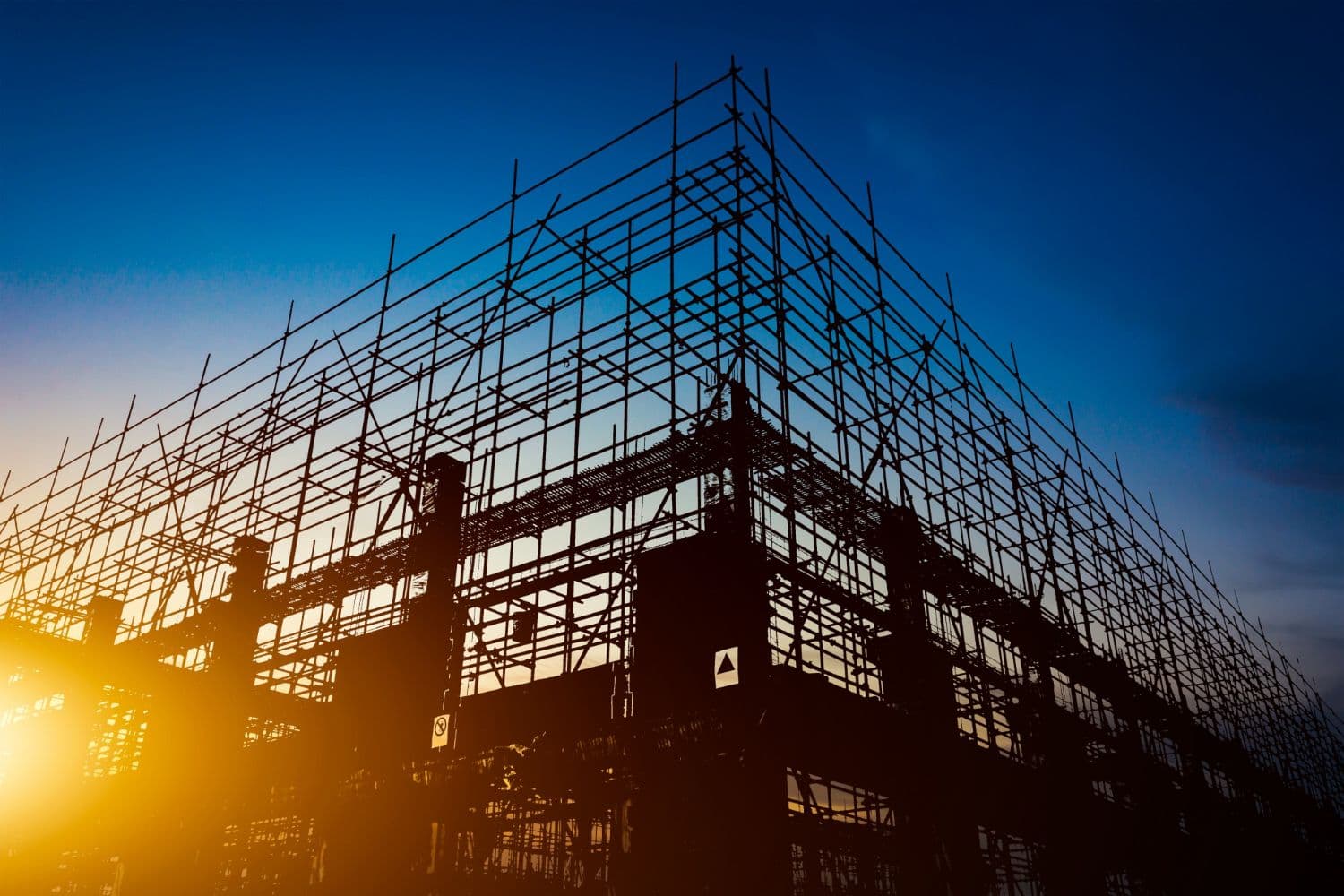
The construction and interior design industry has witnessed a revolutionary transformation in recent years, with clients demanding more than just functional spaces—they want environments that tell stories, enhance experiences, and create lasting impressions. Today's successful projects require seamless integration between construction expertise and interior design vision, creating spaces that are both structurally sound and aesthetically extraordinary.
The Evolution of Integrated Construction and Design Services
Modern construction projects demand a holistic approach that considers interior design from the initial planning stages. This integrated methodology ensures that structural elements, mechanical systems, and design aesthetics work in harmony rather than competing against each other. The result is more efficient construction timelines, better cost management, and superior final outcomes.
Traditional approaches often treated construction and interior design as separate phases, leading to costly modifications, design compromises, and extended project timelines. Today's leading firms recognize that early collaboration between construction and design teams produces exceptional results while maintaining budget and schedule integrity.
Understanding the Construction-Design Synergy
Structural Integration with Aesthetic Vision
The most successful projects begin with understanding how structural elements can enhance rather than limit design possibilities. Exposed beams, architectural columns, and ceiling heights become design features rather than obstacles. This approach requires construction teams who understand design principles and designers who appreciate structural realities.
Mechanical Systems as Design Elements
Modern construction projects integrate HVAC, electrical, and plumbing systems as design components. Exposed ductwork becomes industrial chic, strategically placed lighting creates architectural drama, and plumbing fixtures become sculptural elements. This integration requires precise coordination between trades and design teams.
Material Selection for Dual Purpose
Contemporary construction materials serve both structural and aesthetic functions. Polished concrete floors provide durability while creating sleek modern aesthetics. Exposed brick walls offer structural integrity while adding textural interest. Steel framing becomes decorative elements while providing structural support.
Current Trends Shaping Construction and Interior Design
Sustainable Building Practices
Environmental consciousness drives both construction methods and interior design choices. Green building certifications like LEED and BREEAM are becoming standard requirements, influencing everything from material selection to energy-efficient systems integration.
Sustainable construction practices include using recycled materials, implementing energy-efficient building envelopes, and incorporating renewable energy systems. Interior design complements these efforts through specification of low-VOC materials, energy-efficient lighting systems, and furniture made from sustainable sources.
Smart Building Technology Integration
The Internet of Things (IoT) has revolutionized how buildings function and how occupants interact with spaces. Smart building systems control lighting, temperature, security, and entertainment through integrated platforms that must be planned during construction and seamlessly incorporated into interior design schemes.
Flexible Space Planning
Post-pandemic workplace changes have driven demand for adaptable spaces that can quickly reconfigure for different uses. This requires construction planning that accommodates moveable walls, flexible utilities, and modular systems, while interior design must create cohesive aesthetics across multiple space configurations.
Wellness-Focused Design
Building occupant health and wellness have become primary considerations in both construction and interior design. This includes optimizing indoor air quality, maximizing natural light, incorporating biophilic elements, and creating spaces that promote physical and mental well-being.
Commercial Construction and Interior Design Excellence
Corporate Headquarters and Office Buildings
Modern office construction requires understanding of evolving workplace trends, from open collaboration spaces to private focus areas. Interior design must support productivity while reinforcing corporate culture and brand identity.
Key considerations include acoustic planning for varied work activities, technology infrastructure for hybrid work models, and flexible layouts that can adapt to changing organizational needs. Construction planning must accommodate current requirements while allowing for future modifications.
Retail and Hospitality Spaces
Retail construction and interior design work together to create environments that drive customer engagement and sales. From traffic flow optimization to strategic lighting placement, every element must support the customer experience while maintaining operational efficiency.
Hospitality projects require construction expertise in specialized systems (commercial kitchens, guest room infrastructure) combined with interior design that creates memorable experiences and encourages repeat visits.
Industrial and Warehouse Facilities
Modern industrial construction increasingly incorporates design elements that improve worker satisfaction and operational efficiency. Interior design in industrial settings focuses on safety, productivity, and employee well-being while maintaining cost-effectiveness.
Residential Construction and Interior Design Integration
Custom Home Construction
Luxury residential projects demand construction expertise in specialized systems and high-end finishes, combined with interior design that reflects personal style and lifestyle requirements. Early collaboration ensures that architectural elements support interior design goals while maintaining structural integrity.
Multi-Family Residential Development
Apartment and condominium projects require balancing construction efficiency with interior design that appeals to target demographics. Common areas must create community while individual units provide privacy and personal expression opportunities.
Renovation and Adaptive Reuse Projects
Existing building renovations present unique challenges requiring construction expertise in older building systems and interior design creativity in working with existing architectural elements. Success requires understanding both preservation requirements and modern functionality needs.
The Technology Revolution in Construction and Design
Building Information Modeling (BIM)
BIM technology allows construction and design teams to collaborate in virtual environments, identifying potential conflicts before construction begins. This technology improves project coordination, reduces errors, and enables better client visualization of final results.
Virtual and Augmented Reality
VR and AR technologies allow clients to experience spaces before construction completion, enabling design refinements and ensuring client satisfaction. These tools improve communication between construction teams, designers, and clients throughout the project lifecycle.
Prefabrication and Modular Construction
Off-site construction methods are revolutionizing project timelines and quality control. Prefabricated elements can be manufactured in controlled environments while site preparation continues, reducing overall project duration and weather-related delays.
Quality Control and Project Management Excellence
Integrated Project Delivery
The most successful projects utilize integrated project delivery methods that align construction and design team incentives. This collaborative approach improves communication, reduces conflicts, and ensures all team members work toward common goals.
Materials and Craftsmanship Standards
Quality construction and interior design require rigorous material selection and craftsmanship standards. This includes testing and verification of materials, skilled trade oversight, and detailed quality control processes throughout construction.
Timeline and Budget Management
Integrated construction and design services provide better cost control and schedule management. Early identification of potential issues, coordinated procurement processes, and streamlined decision-making reduce project risks and improve outcomes.
Future Trends and Innovations
Carbon-Neutral Construction
The construction industry is moving toward carbon-neutral building practices, influencing both construction methods and interior design material choices. This trend requires understanding of embodied carbon in materials, energy-efficient building systems, and renewable energy integration.
Artificial Intelligence Integration
AI is beginning to influence both construction planning and interior design processes. From optimizing building systems performance to personalizing interior environments based on occupant preferences, AI will increasingly shape how buildings are constructed and experienced.
Circular Economy Principles
Future construction and design projects will increasingly incorporate circular economy principles, designing for disassembly and material reuse. This approach influences both construction methods and interior design material selection.
Choosing the Right Construction and Design Partner
Comprehensive Capabilities
The most successful projects utilize partners who offer both construction expertise and interior design capabilities. This integrated approach ensures better communication, coordinated timelines, and cohesive final results.
Industry Experience and Portfolio
Look for partners with demonstrated experience in your specific project type, whether commercial, residential, or specialized facilities. Portfolio diversity indicates adaptability and comprehensive capabilities.
Technology Integration
Modern construction and design projects require partners who understand and utilize current technologies for project management, client communication, and quality control.
Sustainable Practices
Environmental responsibility is increasingly important in construction and interior design. Choose partners who demonstrate commitment to sustainable practices and can help achieve environmental goals.
Conclusion: Building Excellence Through Integration
The future of construction and interior design lies in integrated approaches that consider both disciplines from project inception through completion. This methodology produces superior results while improving efficiency, reducing costs, and ensuring client satisfaction.
Whether planning a corporate headquarters, luxury residence, or specialized facility, success requires partners who understand both construction realities and design possibilities. The most successful projects result from collaboration between experienced construction professionals and creative design experts who share common goals of excellence, innovation, and client satisfaction.
Ready to begin your construction and interior design project? Partner with experienced professionals who can guide you through every phase of the process, from initial concept through final completion, ensuring your vision becomes reality through expert execution and creative excellence.
Transform your construction and interior design vision into reality with comprehensive professional services. Contact our integrated team to discuss your project requirements and discover how coordinated construction and design expertise can exceed your expectations.
Published on 6/29/2025